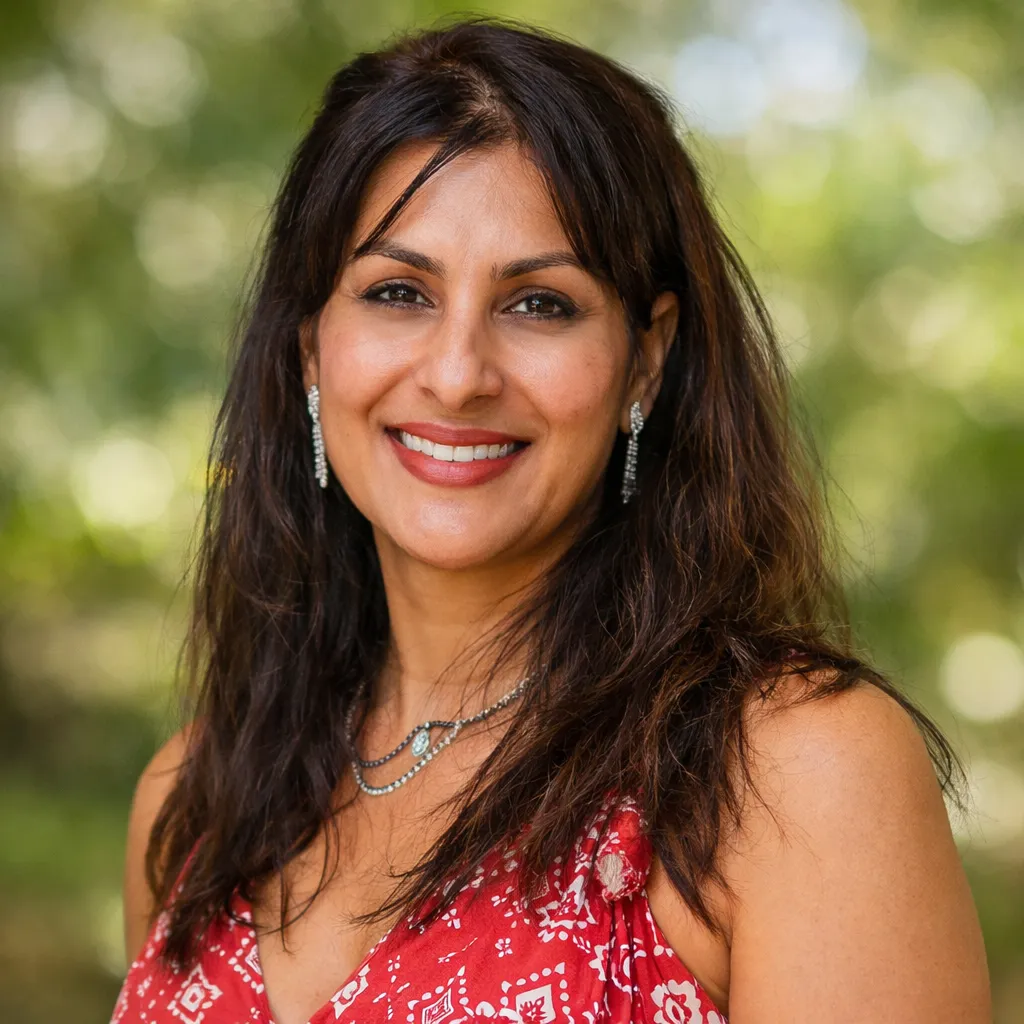
About Charu Raheja
Sometimes a life experience shows you the question that no one was asking.
Charu Raheja came to healthcare from outside it, as an academic, finance PhD then as a co-founder, then as a patient. From each of those seats she kept seeing the same thing: healthcare was being measured from the wrong end.
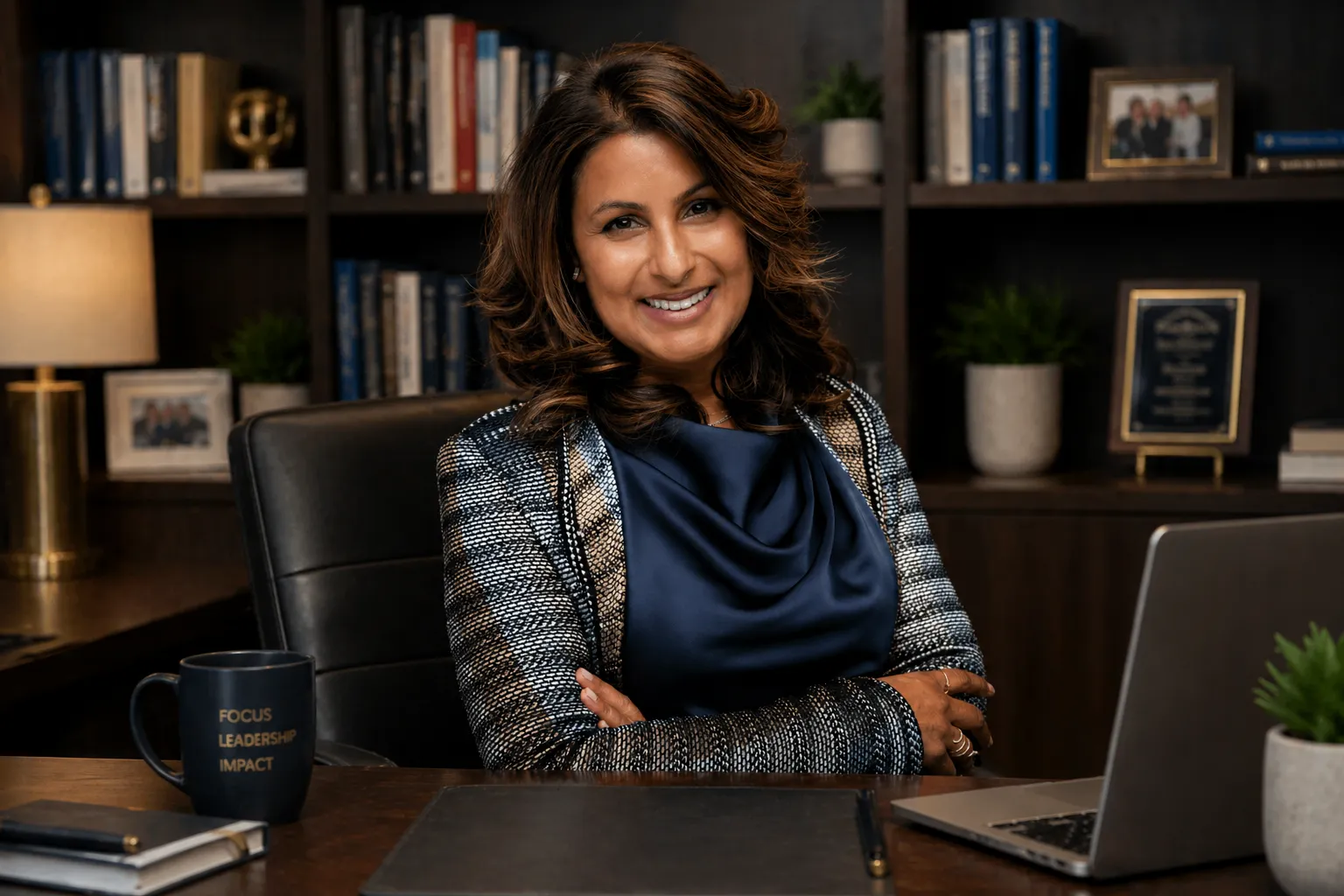
PhD in finance. Co-founder and CEO of TriageLogic since 2007. Named to the Florida 500.
Where she comes from
Born in Belgium. Raised in Brazil. Trained in finance. Then healthcare.
Charu arrived in the United States as a teenager, earned a PhD, and taught finance at Vanderbilt before she ever thought about medicine. She came to healthcare through a systems lens, not a clinical one.
That is what let her see something the industry had stopped seeing. Doctors and nurses learn how to ask the first question in medical school. Nobody sat down and said, wait, we are teaching this a hundred thousand times, why do we not put it in a system. So the first clinical decision keeps getting made by whoever picks up the phone.
Charu says it plainly on stages: they assume healthcare begins when a clinician starts talking. It begins before that.
The founding
TriageLogic began at a kitchen table, with a question about who was answering the phone.
Charu co-founded TriageLogic in 2007 with her husband, Ravi, after watching him field pediatric calls after hours, calls that did not require a physician, but did require someone asking the right questions in the right order.
That observation became the company. Almost two decades on, TriageLogic supports patient care through nurse-led triage and telehealth technology, and the pattern Charu first noticed in her own kitchen has only gotten larger. About 70 percent of the calls TriageLogic receives do not need a doctor, according to TriageLogic. What they need is someone asking the first question the way a clinician would.
That work is the credential. This site is not about it. This site is about the idea underneath it: that the beginning of healthcare, not the exam room, is where outcomes are actually decided.
The stroke
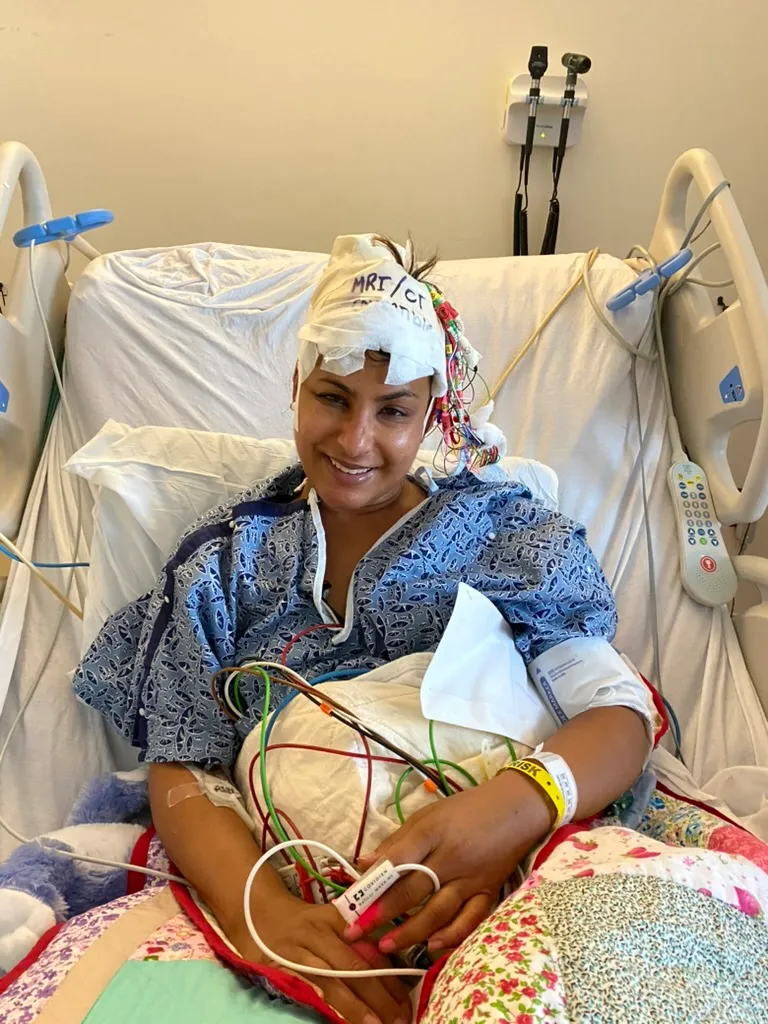
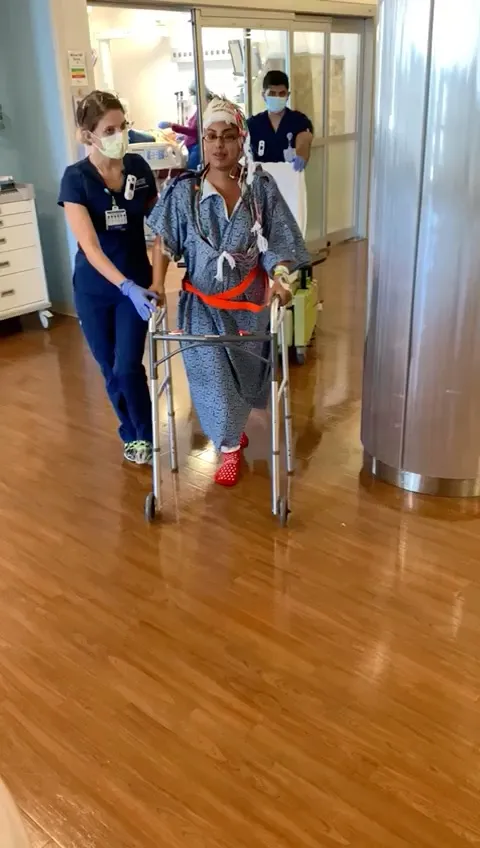
At 41, I had a stroke.
Hemorrhagic. Temporary paralysis. Memory loss. Relearning English one word at a time. Charu saw healthcare from the other side of the phone, as the confused, scared patient who did not know if what she was feeling was serious. That kind of loss changes you.
Both sides of the call
Her father died of a cardiac event that went undetected. Years later, she nearly lost herself.
Charu lost her father to a sudden heart attack. That loss never leaves you, and it reinforced something she already believed: earlier access to clinical guidance saves lives. It is not a theory. It is something she has seen and lived.
Then it happened to her. She woke up from a stroke unable to speak the language she had built a career in. She wrote a book about the recovery, When My Brain Hit the Breaks.
The gap where people fall through is not in the exam room. It is earlier. It is in the moment before anyone with a stethoscope is on the line. Charu has been on both sides of that moment. That is why she does this work in public, not only through a company.
What she came back with
Better outcomes don't start in the exam room. They start in the moments, conversations, decisions that come first.
This is what Charu now says from every stage she takes. It is the sentence her whole career, on both sides of the phone, has been arguing.
The book
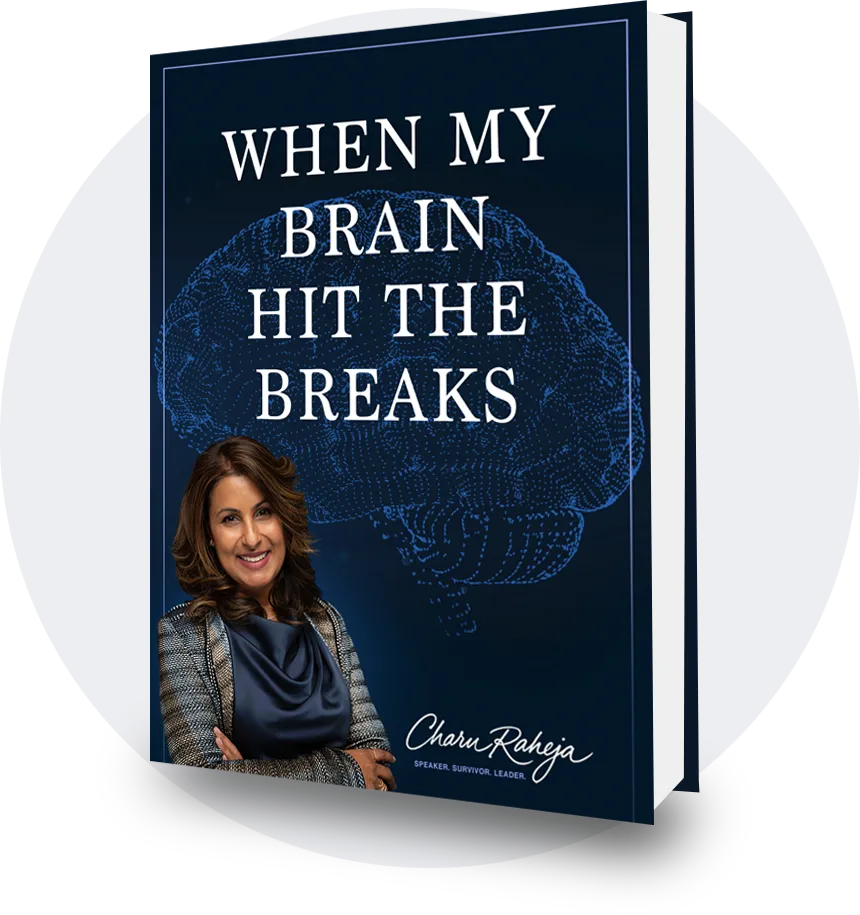
When My Brain Hit the Breaks
When life stops without warning, strength begins. In the book, Charu tells the story she only sketches here: the stroke at 41, the months of relearning language and movement, and what a patient learns about healthcare that no executive ever sees from the other side of the desk. Leave your name and email and the full book comes to you as a PDF.
One email with the book attached. Nothing else follows unless you ask for it.
The record
Where her work has been covered





Why she is saying this now
After nearly two decades doing the work, she is putting a name to it.
For most of her career, Charu talked about the downstream piece. Nurses. Protocols. Technology. Practical things a healthcare leader could put a budget line against.
What she has come to believe, and what she now says out loud, is that all of that is downstream. The point is what happens before any clinical person is on the line at all. The first question. The first clinical decision. The moment healthcare actually begins.
She calls the model The First Question Framework, and she calls the field The Beginning of Healthcare. She is spending this stage of her career defining it, so that the next generation of healthcare leaders stops measuring outcomes from the wrong end.
Bring this idea to your room.
If you program a healthcare conference, chair a session, or lead a global health organization, Charu will come prepared for your audience. She will not pitch a company from your stage. She will give your room one idea they can act on Monday: healthcare begins before the clinician.
Discovery call first. Customized for the room. No product pitch, ever.