The Beginning of Healthcare
Better outcomes don't start in the exam room. They start in the moments that come first.
Healthcare doesn't begin when a clinician engages the patient. It begins before that, at the first question.
Charu Raheja, PhD. Co-founder of TriageLogic. Named to the Florida 500 by Florida Trend.

The problem
The first clinical decision is made by someone who is not a clinician.
Before a nurse listens, before a doctor examines, before a chart is opened, someone has already asked a patient a question and decided what to do with the answer. That person is rarely clinical. The question is rarely standardized. The answer is rarely captured by a system that cannot forget.
I think about a 72-year-old woman who called her doctor's office to ask about a prescription refill. She was having a stroke. She didn't know. Nobody on the other end of that call asked the question that would have surfaced it, because nobody on the other end of that call had been given the question to ask. If you did not ask the right questions, you already missed everything.
Until we accept that non-clinical hands hold clinical outcomes, no amount of clinical excellence downstream will matter.
Said plainly
non-clinical hands, clinical outcomes.
Most healthcare leaders assume care begins when a clinician starts talking. It begins before that.
What changes when you accept where healthcare actually begins
The first question becomes a clinical act
Whoever asks it, human or machine, must ask it the way a clinician would. The answer determines every downstream decision.
A missed question becomes a missed diagnosis
If the right question was never asked, no clinical excellence further down the line can recover what was already lost.
Staff stop compensating for a broken process
Healthcare workers are not tired. They are filling gaps a well-designed system should already handle. Fix the beginning and the burnout eases.
Leaders measure what they used to ignore
Whether the right question was actually asked, and actually answered, becomes something the organization tracks with the same seriousness as any clinical metric.
Where the conversation has taken place

Who is asking this question
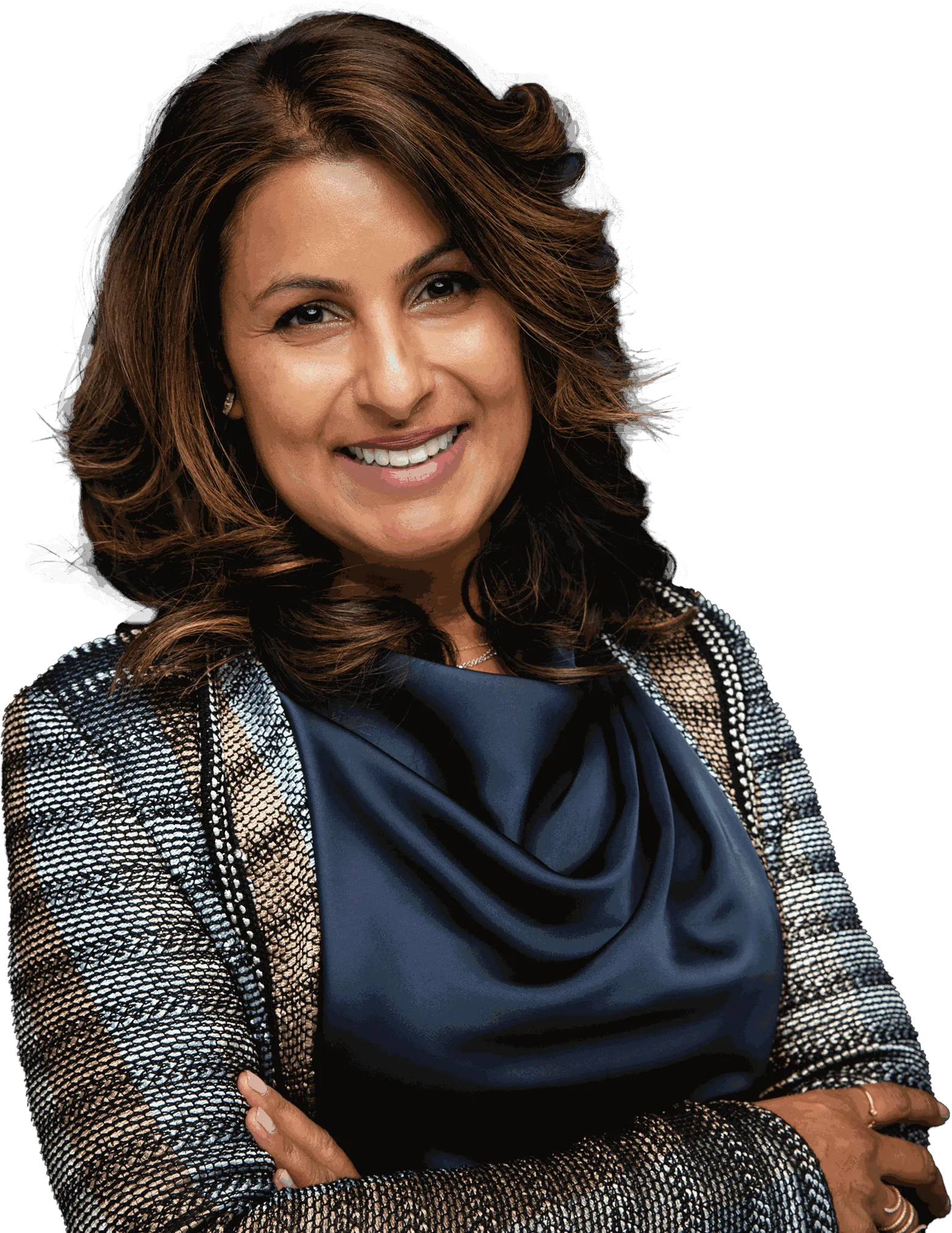
Charu Raheja, PhD
A finance PhD who walked into healthcare and asked the question no one inside was still asking. Co-founder and CEO of TriageLogic, a company that has spent nearly two decades on the earliest moment of care.
An outsider by training, an insider by experience, and a patient herself. That combination is why she can see the beginning of healthcare as a field, and why she is willing to say out loud that the industry has been improving outcomes from the wrong end.
- PhD; finance academic before entering healthcare
- Named to the Florida 500 by Florida Trend
- Named a Woman of Influence by the Jacksonville Business Journal
- Author, When My Brain Hit the Breaks
Questions people ask before they invite Charu to speak
Who is Charu Raheja and what does she speak about?
Charu Raheja is the healthcare thought leader defining the beginning of healthcare as a field. She speaks about where care actually begins, the first question asked of a patient, and why that first clinical decision is the highest-leverage moment for improving outcomes and reducing preventable harm.
What does she mean when she says healthcare begins before the clinician?
She means that by the time a clinician engages a patient, the most important decision in the encounter has already been made by someone else. Whoever asked the first question, and whether they asked it the way a clinician would, has already shaped what happens next.
Is this a sales talk for her company?
No. This is a thought leadership idea about how the industry treats the earliest moment of care. Charu names TriageLogic as the credential that earns her the right to say it. The idea stands whether or not any company is in the room.
How do I invite Charu to speak at a healthcare event?
Start on the Invite Charu to Speak page. She does a discovery call, customizes for the room, and delivers one framework the audience can act on Monday.
Bring this idea to your room.
If healthcare begins before the clinician, the people who need to hear it first are the ones deciding what a conference agenda, a grand rounds, or a board retreat is actually about. Tell Charu about your room, and she will tell you whether she is the right voice for it.
Prefer to read the framework first? The First Question Framework is here.