The Beginning of Healthcare
The first clinical decision in healthcare is made by someone who is not a clinician.
I spent years watching this from both sides, as a founder and as a patient. The industry has been improving patient outcomes from the wrong end.
Charu Raheja, PhD. Co-founder and CEO of TriageLogic. Named to the Florida 500.
A question the industry stopped asking
What if the greatest opportunity to improve patient outcomes isn't during treatment, but at the moment healthcare begins?
Healthcare doesn't begin when a clinician engages the patient. It begins before that, at the first question. And if you didn't ask the right question, you already missed everything.

We have been improving healthcare from the wrong end.
Every incentive in the industry points downstream. Better imaging. Better drugs. Better protocols once a clinician is already in the room. That work is real, and I am not arguing against any of it.
But the exam room is not where healthcare begins. It begins at the first contact, at the first question, at the earliest decision. Someone is making a clinical judgment before any clinician arrives, and no one is measuring whether they made it well.
That someone is not a nurse. Not a physician. It is the person who picks up the phone, or the form, or the message. Non-clinical hands, clinical outcomes.
What gets missed before the clinician arrives
The wrong urgency
I have seen a 72-year-old woman having a stroke described, at first contact, as needing a prescription refill. Whoever took that call decided, on the spot, what kind of problem it was. She was lucky. Most people in that situation are not.
The wrong route
Patients get sent to the schedule that has an opening, not to the level of care their symptoms actually warrant. The route is chosen by staff availability, not by the answer to the first question.
The wrong record
What the patient said at first contact is captured inconsistently, or not at all. The clinician walks into the room already missing the information that would have changed the visit.
The Beginning of Healthcare.
The earliest moment of care, the first contact and the first question, treated as the point where the most can still change.
What it is
One Moment, Millions to be Impacted
The Beginning of Healthcare rests on one recognition: the first question asked of a patient is a clinical act, even when a non-clinician asks it. The answer determines every downstream decision. The record of that answer determines every downstream conversation.
Treat that moment as clinical, and outcomes change. Treat it as customer service, and the industry keeps compensating for it with tired nurses, overbooked physicians, and harm nobody traces back to its source.
Doctors and nurses learn how to ask the first question in medical school and nursing school. Nobody has ever sat down and said, we are teaching the same thing a hundred thousand times, why don't we put this in code. Not as a script. As a clinical protocol that behaves the same way whoever, or whatever, is asking.
What it is not
Distinctions patient's health lives or dies by.
The Beginning of Healthcare is a clinical field. It is not the things it is often mistaken for.
- Not scripting for non-clinical staff
- Not chatbot intent detection
- Not a customer experience layer
- Not a technology purchase that fixes a broken process
- Not the nurse's job to catch after the fact
Putting more tools in your practice, or putting more technology, or putting AI, it's not going to solve this.... UNLESS you fix the process. Otherwise, you're just making more of a mess in a already messy process.
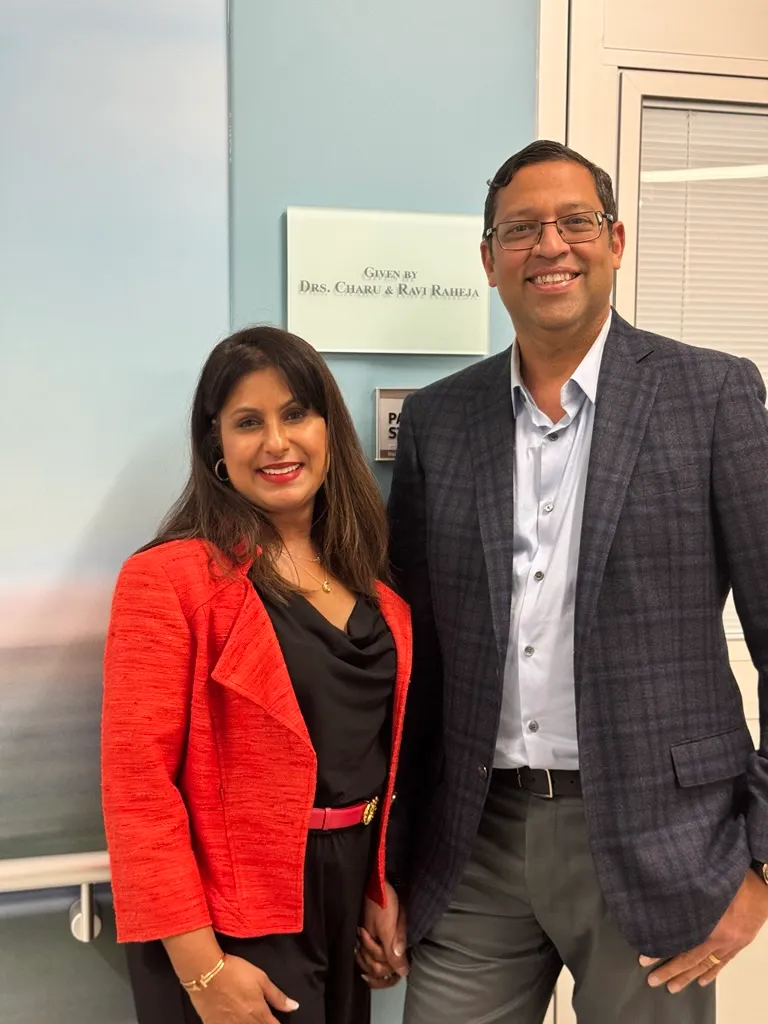
How healthcare begins becomes what leaders invest in.
When healthcare leaders accept that the first clinical decision is made before the clinician, the work shifts. The beginning of the care journey stops being invisible operational overhead and starts being something leaders measure, standardize and are responsible for.
Preventable deaths stop happening because someone finally asked the question. Healthcare workers stop carrying, by hand, the work the beginning should have done for them. The clinician walks into the room with the right information, because the right question was asked, the answer was recorded, and the route was based on the answer, not on who happened to be free.
That is the vision. Making how healthcare begins a conversation every healthcare leader feels responsible for.
Who is saying this, and why she can
If the first question decides everything, here is how to ask it well.
The First Question Framework is how the beginning of healthcare gets identified, designed, codified, measured and routed. If you lead a room of healthcare leaders and want the framework brought to your stage, that conversation starts on the invite page.
Or invite Charu to bring the framework to your room.
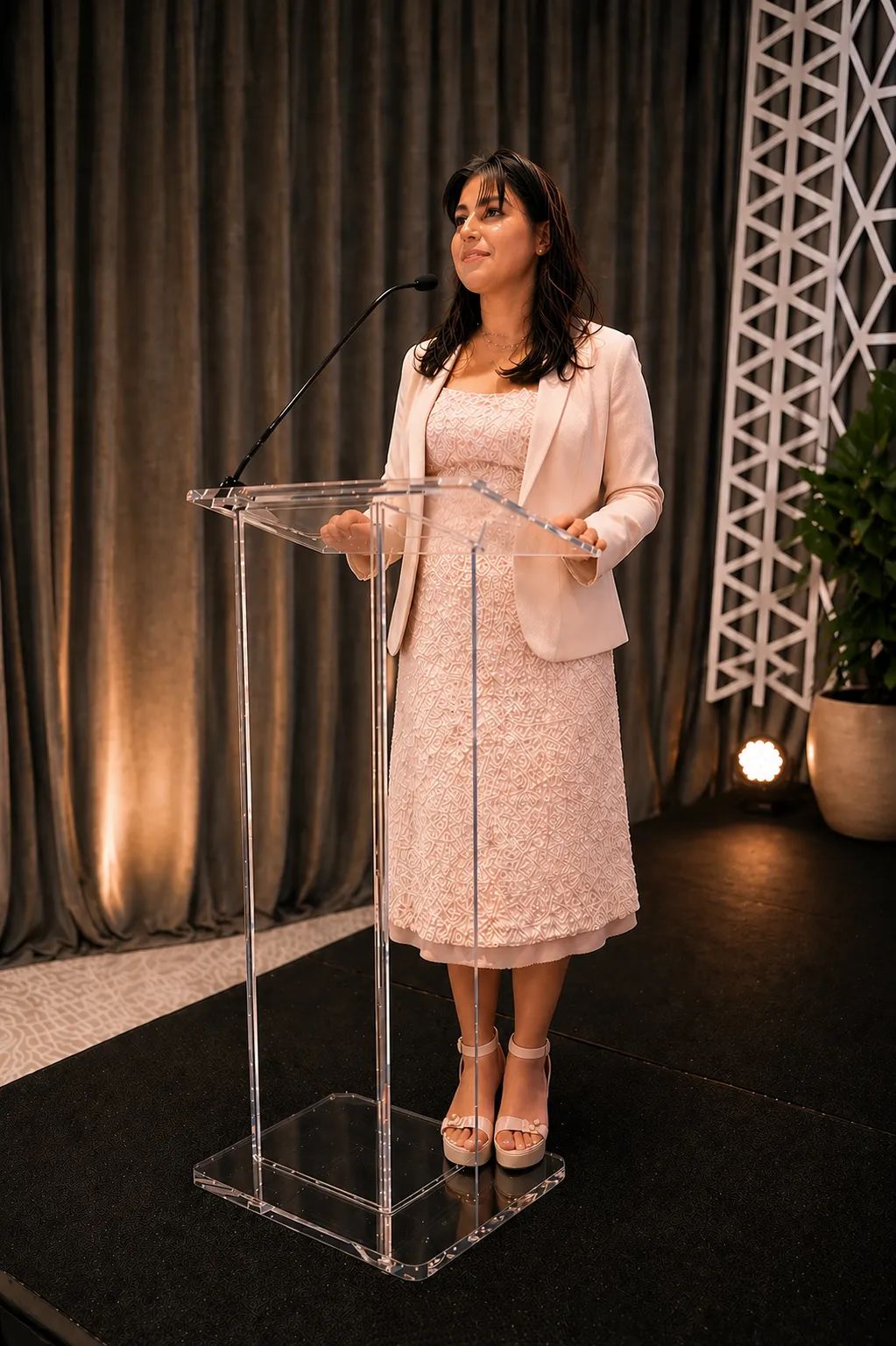
Invite Charu to share how healthcare can begin with your room.
If you convene healthcare leaders, program a conference, or run a stage where this idea belongs, the conversation starts here. Charu brings the beginning of healthcare to the stage as a keynote built for people who make investment and operational decisions.
A keynote, not a pitch.